BEIJING / KNOWLEDGE GUIDE
Forbidden City
故宫 · Gùgōng
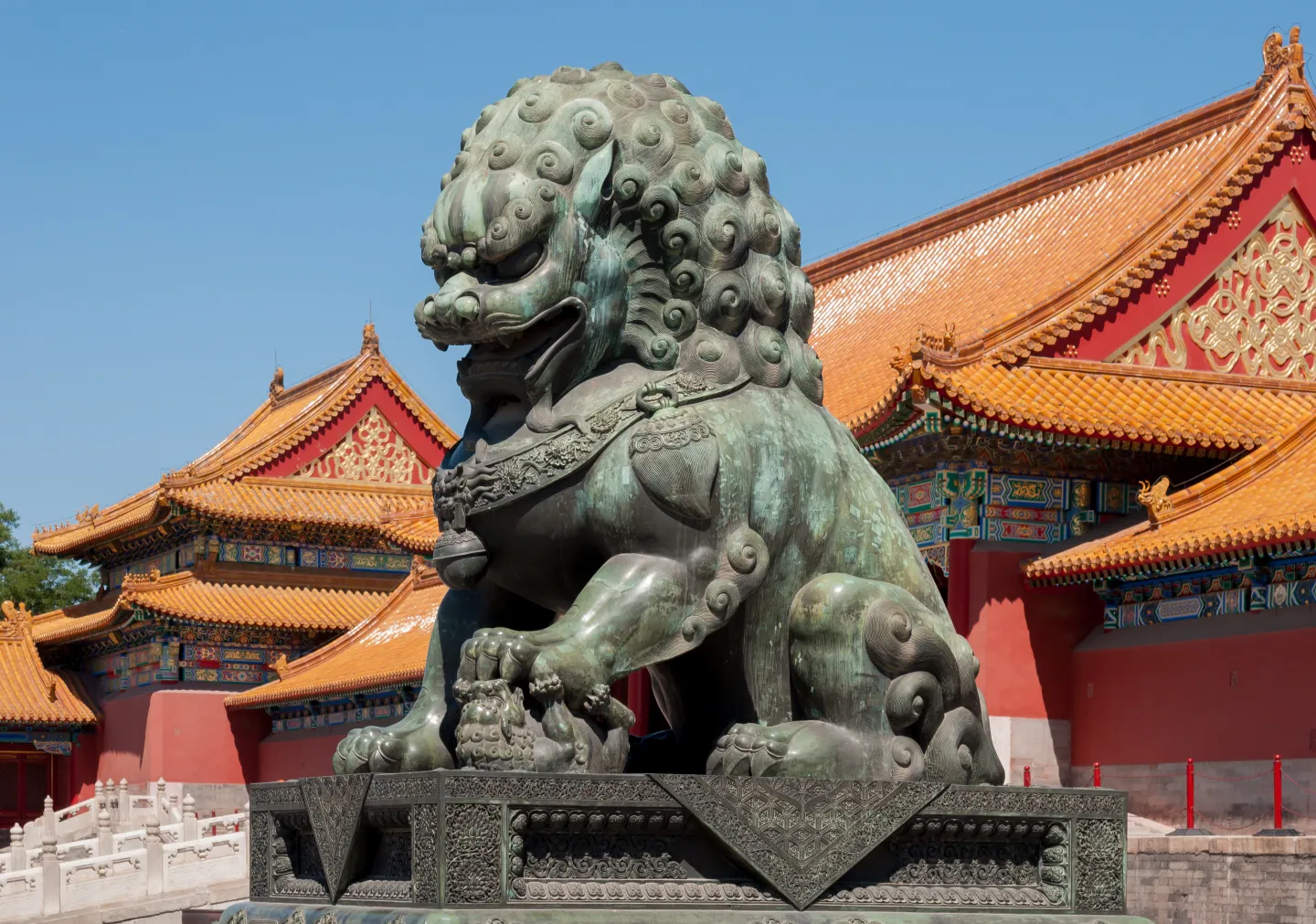

Beyond the golden roofs: discover the courtyards, gardens and stories of China’s imperial palace.
By LangBox · Visitor information checked September 11, 2026 · Sources linked beside each topic
What is inside, and why is it worth seeing?
Completed in 1420, this was the palace of China’s Ming and Qing emperors. The Palace Museum was established here in 1925: today you visit both historic buildings and museum collections. The museum’s account of that transformation.
Think of the palace as a series of spaces for different kinds of power: public ceremony in the outer court, the emperor’s household in the inner court, and objects that reveal taste, craft and international exchange. Understanding those differences makes the halls more than a sequence of similar roofs.
CEREMONY · CENTRAL AXIS
Hall of Supreme Harmony 太和殿
Look for: the hall raised above its vast courtyard. Compare the scale of the building with the space where officials assembled.
The story behind it
Why it matters: this was a setting for enthronements and major state ceremonies. Its scale expressed the emperor’s position in the political order; imagining a ceremonial gathering helps explain why so much of what you see is open space.
Palace Museum: history of this hall (Chinese) →COURT LIFE · INNER COURT
Palace of Heavenly Purity 乾清宫
Look for: the name “Qianqing Gong” and the four-character plaque 正大光明 above the throne, where visible from the permitted viewing area.
The story behind it
Why it matters: the palace served as an imperial residence in the Ming period. Under the Qing succession system introduced by Yongzheng, the name of the designated heir was concealed behind that plaque. An architectural detail becomes a story about who would inherit power.
Palace Museum: the building and succession story (Chinese) →DESIGN · NORTHERN END
Imperial Garden 御花园
Look for: rocks, trees and paired pavilions, and the change from the broad ceremonial courtyards to a compact garden.
The story behind it
Why it matters: the Wanchun and Qianqiu pavilions combine rounded upper forms with square bases, reflecting the traditional idea of a round heaven and square earth. The garden shows how cultural ideas could shape a place for leisure.
Palace Museum: garden design (Chinese) →CRAFT & EXCHANGE · OPTIONAL GALLERY
Gallery of Clocks 钟表馆
Look for: how a clock’s decorative case turns a mechanical instrument into a display of craftsmanship.
The story behind it
Why it matters: the collection connects European clockmaking with Chinese workshops and court tastes. It adds an object-focused experience if you enjoy design or engineering more than palace architecture.
Palace Museum: clockmaking and the collection (Chinese) →Before visiting: a separate gallery ticket is required. Check current displays and access.
These are things to notice, not a promise that every interior will be open. Follow barriers and the day’s exhibition notices. The Treasure Gallery is another separately ticketed option for visitors interested in court objects.
SLOW DOWN & LOOK CLOSER
Beyond the golden roofs
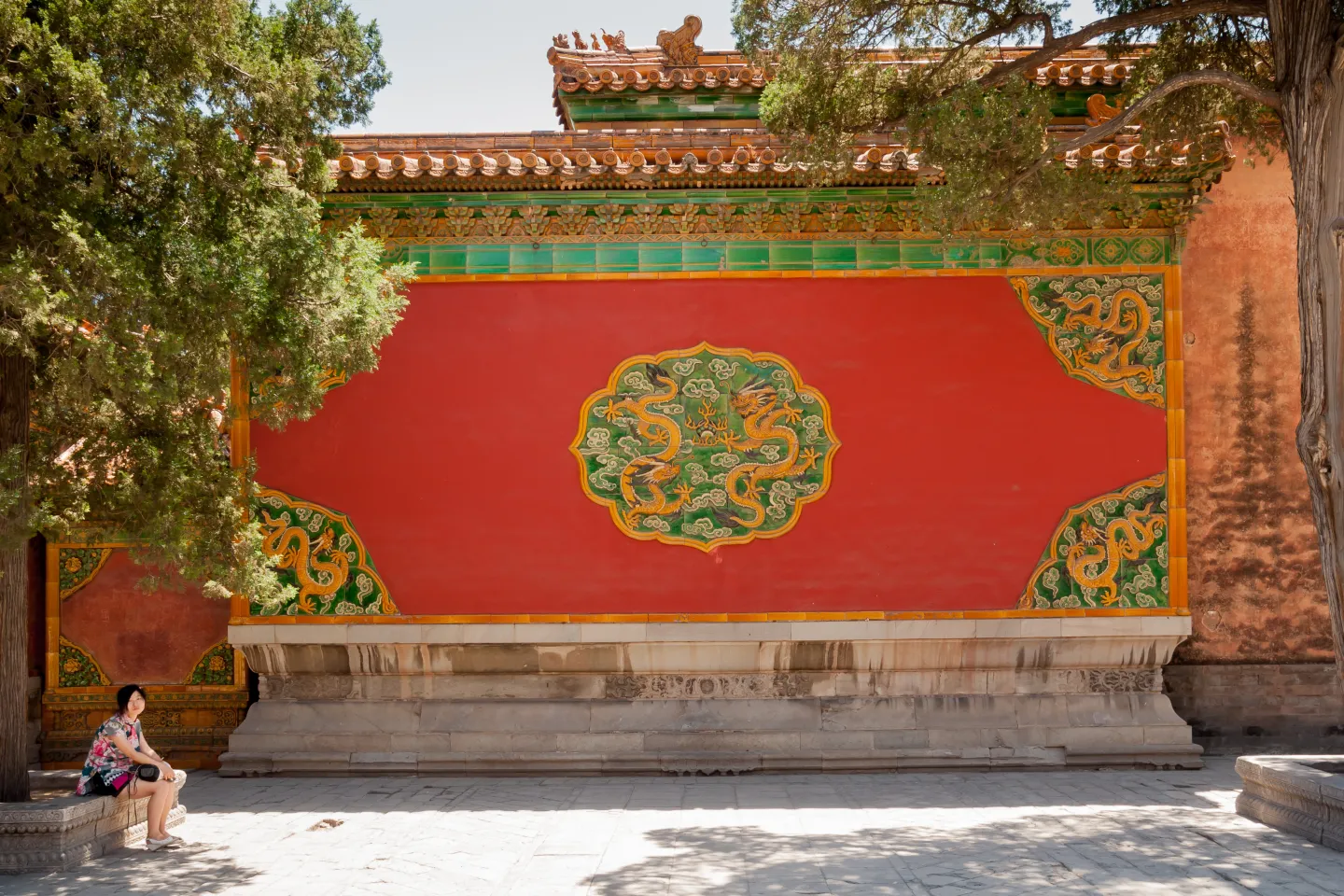

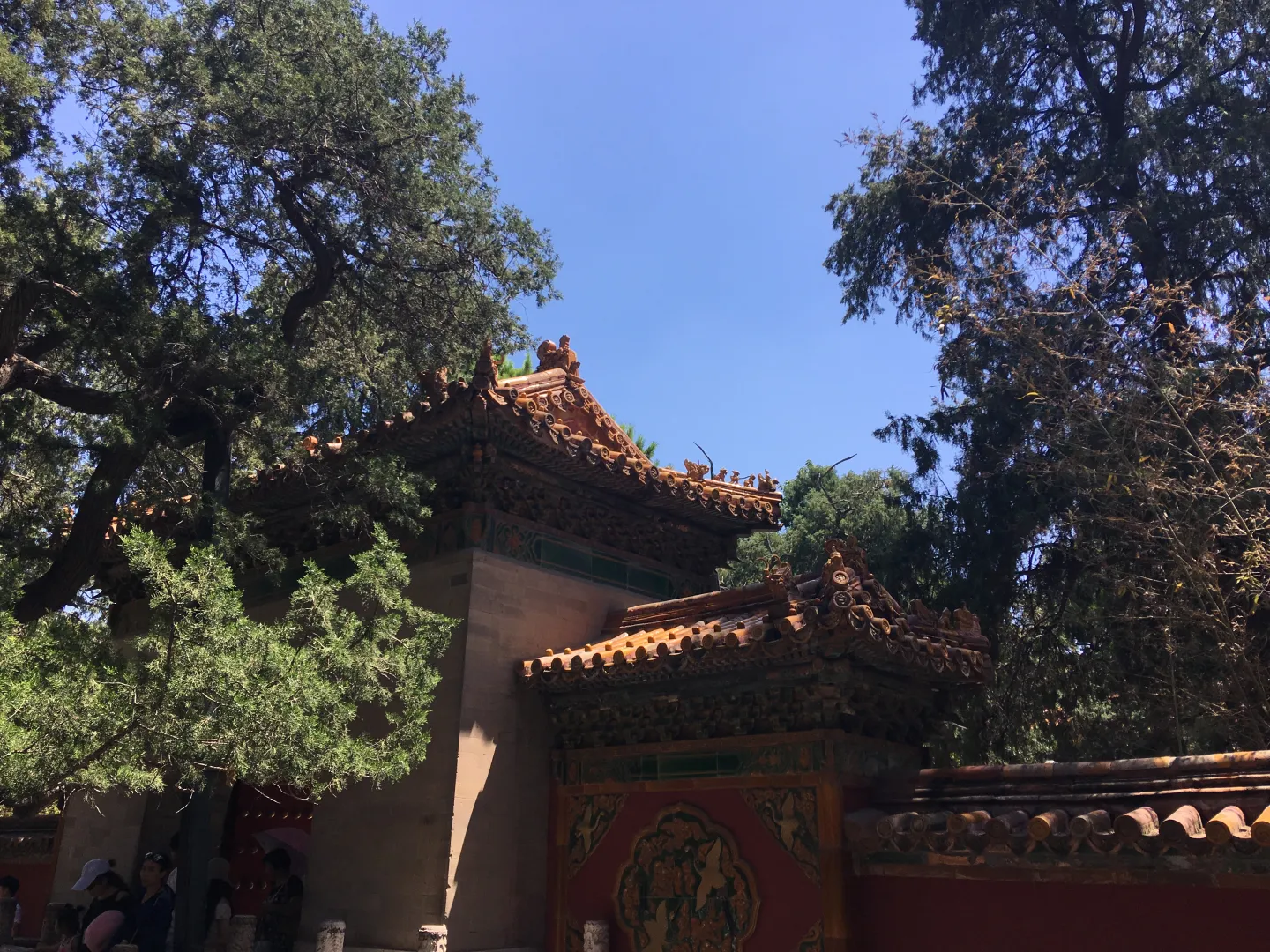

Two perspectives from Chinese-language reviews
Two individual accounts on Qunar show different reasons to visit. They are examples we read on September 11, 2026, not a survey or a claim about what all Chinese visitors think. Writing in Chinese does not establish a reviewer’s nationality.
- Architecture, with crowd fatigue: a July 1, 2016 account admires the palace’s scale and grand buildings, but reports many visitors and expensive food choices inside. The writer found an audio guide useful for such a large site. Read this dated account in Chinese →
- A reason to return for a particular exhibition: a January 1, 2024 account focuses on a tea-culture exhibition and the chance to see an original work by Li Song. That illustrates an art-focused visit rather than simply checking off the palace buildings. The exhibition discussed is historical, not an event we claim is running today. Read the exhibition account in Chinese →
Our reading: decide whether your interest is the architecture or a particular collection, and leave room for explanation. These older personal accounts help describe the experience; use the official sources below for current prices, entry rules and services.
How much time feels worthwhile?
Around two hours: a selective look at the main architecture, with little time for extra galleries. Three to four hours: more room to pause, read explanations and add a focused interest. These are editorial estimates of time inside, not allowances for travel, security or entrance queues.
Choose by your curiosity and walking tolerance. If you mainly want a photograph, a long palace visit may feel repetitive. If the stories above interest you, allow time to stop and look rather than trying to see every room. Check your ticket session separately: an estimate of visit length does not change your admission deadline.
Official visitor page: service map, accessible facilities and visitor trails →
Practical comforts inside the palace
The museum’s 2024 visitor-service notice locates its Visitor Service Center west of Duanmen Square, south of Meridian Gate. It is a useful first stop for assistance before joining the entrance queue.
Suitcases: ask before joining the queue
The notice directs visitors with large bags to storage first. The visitor rules list collection on the east side of Shenwumen’s outside square or the north side of Donghuamen’s outside square. Confirm the collection point and deadline when depositing your bag, especially if you intend to leave via Donghuamen for a meal. Keep valuables with you; the service excludes valuables and fragile items.
Wheelchairs and strollers
The visitor notice identifies a barrier-free entrance lane and warns of stairs, slopes and uneven surfaces inside. Ask staff for the accessible route to the particular gallery you want, rather than assuming every hall is reachable. The museum’s services page lists wheelchairs and strollers at the visitor center; check availability and borrowing conditions before relying on one.
Toilets and a place to ask for help
The museum’s WeChat map marks restrooms and visitor services. The English service map also has facility symbols. If you need an accessible toilet, ask for that specifically and have staff point it out before continuing.
Understanding what you see
According to the services page, audio-guide devices can be hired at Meridian Gate or Qianqing Gate and returned at Shenwumen or Donghuamen. Ask for English, check the current price and return point, and test the device before leaving the counter. Availability and language options should be confirmed there.
April–October: 08:30–17:00, last entry 16:00. November–March: 08:30–16:30, last entry 15:30. Mondays are closed except statutory holidays. Temporary closures and holiday hours can change, so confirm today’s notice on the official English visitor page before leaving.
Tickets and reservation for foreign visitors
The Palace Museum sells no same-day tickets. Official international ticket guidance Its official international guidance says visitors can reserve up to seven days ahead; foreigners use a passport number and must bring the original passport used for booking. The museum recommends booking through its official WeChat mini program and says it has not authorised third-party ticket agents.
Open official ticket booking → Start from the English visitor page if the booking site changes language or fails to load. The Beijing government confirms that overseas visitors can book online using a passport.
- Seven days before: open the official Palace Museum WeChat mini program at 20:00 Beijing time when tickets are released.
- Prepare: enter each visitor’s passport name and passport number exactly as shown on the document, then keep the booking confirmation for entry.
- Your booked session matters: morning-ticket holders must check in by 12:00; afternoon-ticket holders may enter from 11:00. The daily last-entry time does not extend a morning booking. Official admission rules.
- On the day: bring the same original passport and go to Meridian Gate (午门) for real-name inspection.
- If something fails: email bookingticket@dpm.org.cn or call 400-950-1925 while in China (English service, 08:00–20:00); avoid unofficial “ticket agents”.
Official ticket guidance lists CNY 60 in the high season (April–October) and CNY 40 in the low season (November–March), with separate CNY 10 tickets for the Treasure and Clock galleries. Policies can change, so check the official page before paying. Official help for foreign phone numbers and English customer service.
Check the Palace Museum’s current ticket rules →How to get there as a foreign visitor
First, identify the entrance you need
Palace Museum admission is at 午门 — Wǔmén (Meridian Gate), on the south side. A map pin for “Palace Museum” may point into the complex or to its north-side postal address. 神武门 — Shénwǔmén is a visitor exit. Tian’anmen Square and the Tian’anmen gate tower are different places.
The final approach is on foot
- From the south: the approach goes through Tian’anmen, then Duanmen (端门), to Meridian Gate. Follow the pedestrian and security channels in use that day.
- From the east: approach Donghuamen (东华门), then follow the outside path beside the moat, 东筒子河路 (East Tongzihe Road), toward the south-side Meridian Gate. Reaching Donghuamen does not mean you are at the museum’s admission checkpoint.
The Beijing tourism guide describes these approaches. Street restrictions can change the route on the day. Allow for the walk and security before your booked admission deadline; a car journey estimate does not include either.
Do I need a Tian’anmen Square reservation as well?
A square reservation does not admit you to the Palace Museum. For a square visit, check the official square reservation platform for your date. Older rules allowed some museum reservation holders to enter the square without another booking, while a September 2025 holiday notice asked all visitors to reserve. We cannot promise that the older exemption applies to your visit. If your destination is only the palace, the eastern approach above avoids making the square part of your visit; follow on-site access directions.
Tell staff: 我预约了故宫,请问去午门走哪边?
Wǒ yùyuē le Gùgōng, qǐngwèn qù Wǔmén zǒu nǎ biān?
I have a Palace Museum reservation. Which way should I go to Meridian Gate?
Subway: Take Line 1 to Tian’anmen East or Tian’anmen West. Beijing says foreign passengers can buy tickets at station machines (Beijing Subway guidance) by switching the screen to English, and contactless Visa or Mastercard cards (including phone NFC cards) can be used at supported gates. Carry a backup payment method because card acceptance can vary by card and gate.
Taxi or ride-hailing: Tell the driver you are visiting the Palace Museum and ask for a legal drop-off near 东华门 (Donghuamen) for the eastern approach described above. Keep 午门 (Meridian Gate) as your final walking destination. For Didi, register with an active Chinese or foreign phone number, enter the destination in the app, and wait at the designated pick-up point. Before getting in, match the plate number and driver photo in the app; do not assume the car can stop at the gate.
Sources: Beijing Subway foreign-card FAQ and Beijing taxi and ride-hailing guidance.
If a card or gate fails: use the English option on a station machine, try another supported gate, or ask staff for help. Keep a backup card or cash; foreign-card support is not a guarantee that every card, phone wallet or gate will work.
After the visit: choose a meal by your exit
Your exit matters: Donghuamen is on the east side; Shenwumen is on the north side. A restaurant beside the east gate is not beside the north exit. Check your position on a map before joining a queue or ordering a car.
EAST SIDE · ROAST DUCK
Siji Minfu — Palace Museum branch
四季民福烤鸭店(故宫店)
北京市东城区南池子大街11号
Branch address: 11 Nanchizi Street, Dongcheng, Beijing. This is the Palace Museum branch; other Siji Minfu branches will take you elsewhere.
Why consider it: roast duck gives you a way to try a characteristic Beijing meal. Duck is typically eaten in thin pancakes with sauce and vegetables. Ask which sides are included and whether a half duck is available if you are eating alone.
From Donghuamen: the restaurant is on Nanchizi Street by the east gate. Open the exact branch pin below and follow current pedestrian directions. From Shenwumen: this is an onward walk around the outside of the palace, not a restaurant immediately outside your exit. Do not expect to cut back through the museum after leaving.
Before committing: current opening hours and live queue length have not been verified here. Ask the restaurant before walking over if you are tired or need step-free access. A palace view or an accessible table is not guaranteed.
Show the restaurant name and address to someone
四季民福烤鸭店(故宫店)
北京市东城区南池子大街11号
“Excuse me, how do I get here?” You can show this card without needing a map app or speaking Chinese.
Branch name, address and telephone: Amap’s listing for this specific branch, checked September 11, 2026. This identifies the venue; it is not evidence of a customer-rating consensus.
NORTH OF THE PALACE · NOODLES
No. 69 Fangzhuanchang Zhajiangmian — Fangzhuanchang Hutong
方砖厂69号炸酱面(方砖厂胡同店)
北京市东城区方砖厂胡同1号
The address is 1 Fangzhuanchang Hutong; “69” belongs to the restaurant name. This is an onward stop in the hutong area north of the palace, not immediately outside Shenwumen.
Why choose it: a bowl of Beijing-style noodles offers a simpler meal than shared roast duck. Michelin describes chewy noodles with soybean-and-pork sauce and vegetable toppings. Its reviewer praises the sauce and reports strong demand; this is an inspector’s assessment, not a Chinese customer survey.
Check before ordering: the described sauce contains pork, so vegetable toppings do not make the dish vegetarian. Michelin lists cash-only service; carry cash and confirm accepted payment methods. Current menu prices, hours, wait times and step-free access have not been independently checked.
Address, telephone, dish description and payment listing: Michelin’s entry for this branch, checked September 11, 2026.
Another food tradition to explore
Ju Bao Yuan: a separate destination for Beijing-style lamb hotpot. It is not an immediate palace-exit meal. We have not verified a specific branch here, so this is a food idea rather than a nearby restaurant recommendation.
For allergies, identify the ingredient and ask about sauces and shared cooking equipment. “不吃辣” means no spicy food; it does not communicate an allergy. Duck pancakes contain wheat, and dipping sauces may introduce additional ingredients.